

I read 500 books this year by my count…some of them short poetry chapbooks, but also some monsters, like Robin D.G. Kelly’s mammoth biography of Thelonious Monk (which was great) and James Jones’ From Here to Eternity (which is terrible.)
I didn’t have a regular book reviewing gig this year, and so the vast majority of the books I paged through not published in 2025. And I’m not sure there’s much point in any case in listing a bunch of new releases that are being lauded in other bigger venues by better, bigger reviewers.
So rather than try to compete, I thought I’d recommend a handful of maybe less well known 2025 books that I loved and which you may not have picked up. They aren’t really, really ranked, though I’ve sort of generally placed them best to most best.
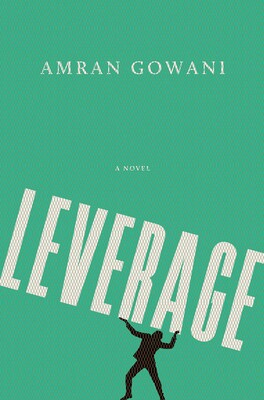
Amran Gowani
Leverage
Amran’s a friend; I interviewed him in August when his book came out. Half a year later, and Leverage remains a delightfully mean-spirited read about asshole finance billionaires and the spiraling degradation, desperation and self-loathing of one asshole trying to join their ranks. It’s feverish and ridiculous and filled with heartfelt rage at the place we’ve gotten to and the evil fucks who are largely responsible. It hasn’t made many best of lists and isn’t being talked about as a book of the moment—but that’s kind of appropriate since it’s in part about the way that success is both random and a scam. Defy the algorithm and the zeitgeist and read about why defying the algorithm and the zeitgeist is futile.
—
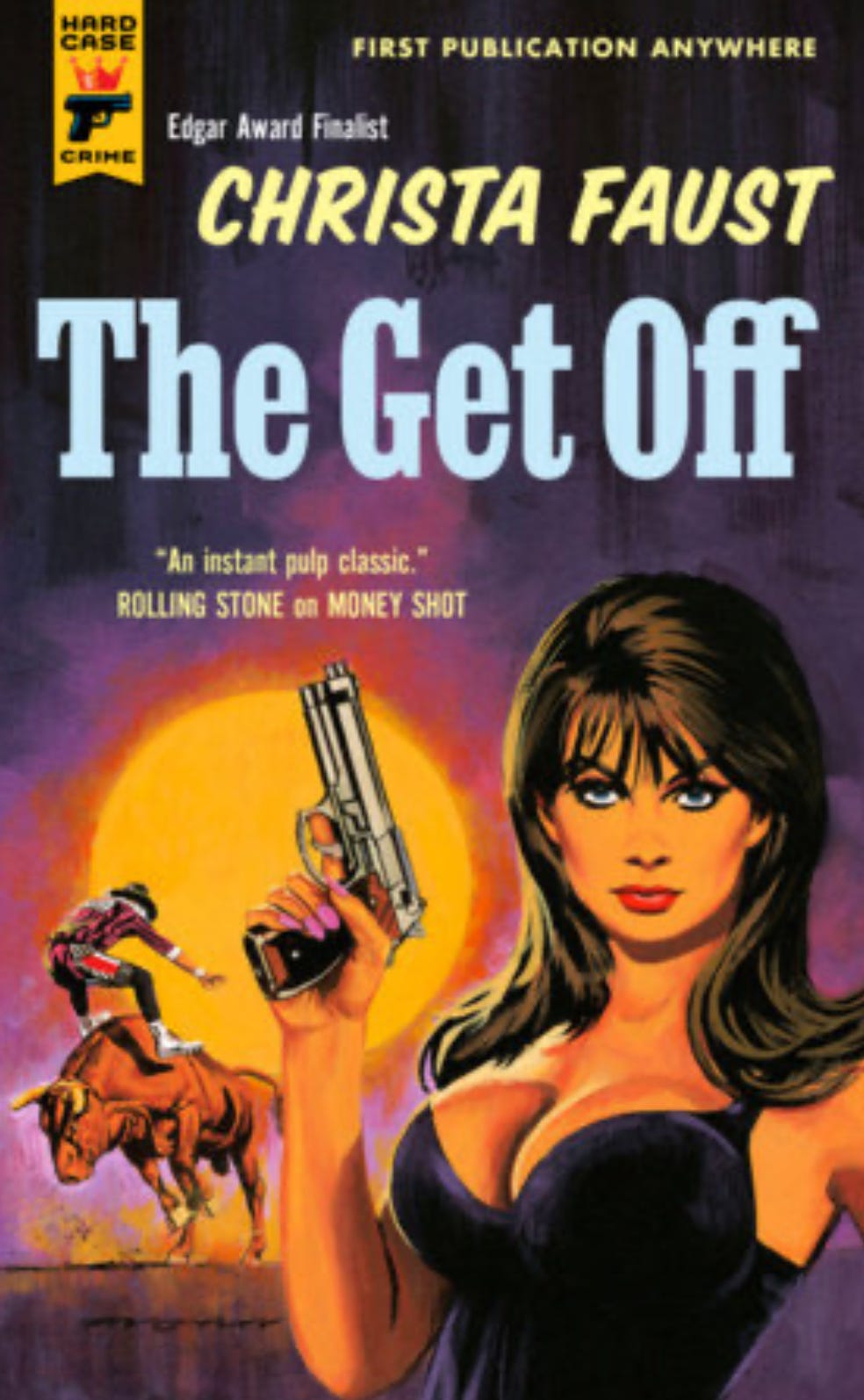
Christa Faust
The Get Off
The third and final book in Christa Faust’s Angel Dare series about a former porn star turned agency head turned fugitive from cops and criminals both. It’s ridiculously violent, sex-soaked sexploitation that manages to not feel exploitive—mostly because Angel Dare herself is such a vividly unique narrator. Neither broken nor embittered by her time in the industry, unapologetically horny, with reserves of violence and meanness she’d barely guessed at, she’s a riveting presence, and the trilogy becomes a brutal paean to the vulnerability and resilience of women who are supposed to be disposable. Faust is another author who doesn’t get a lot of press, but should.
—
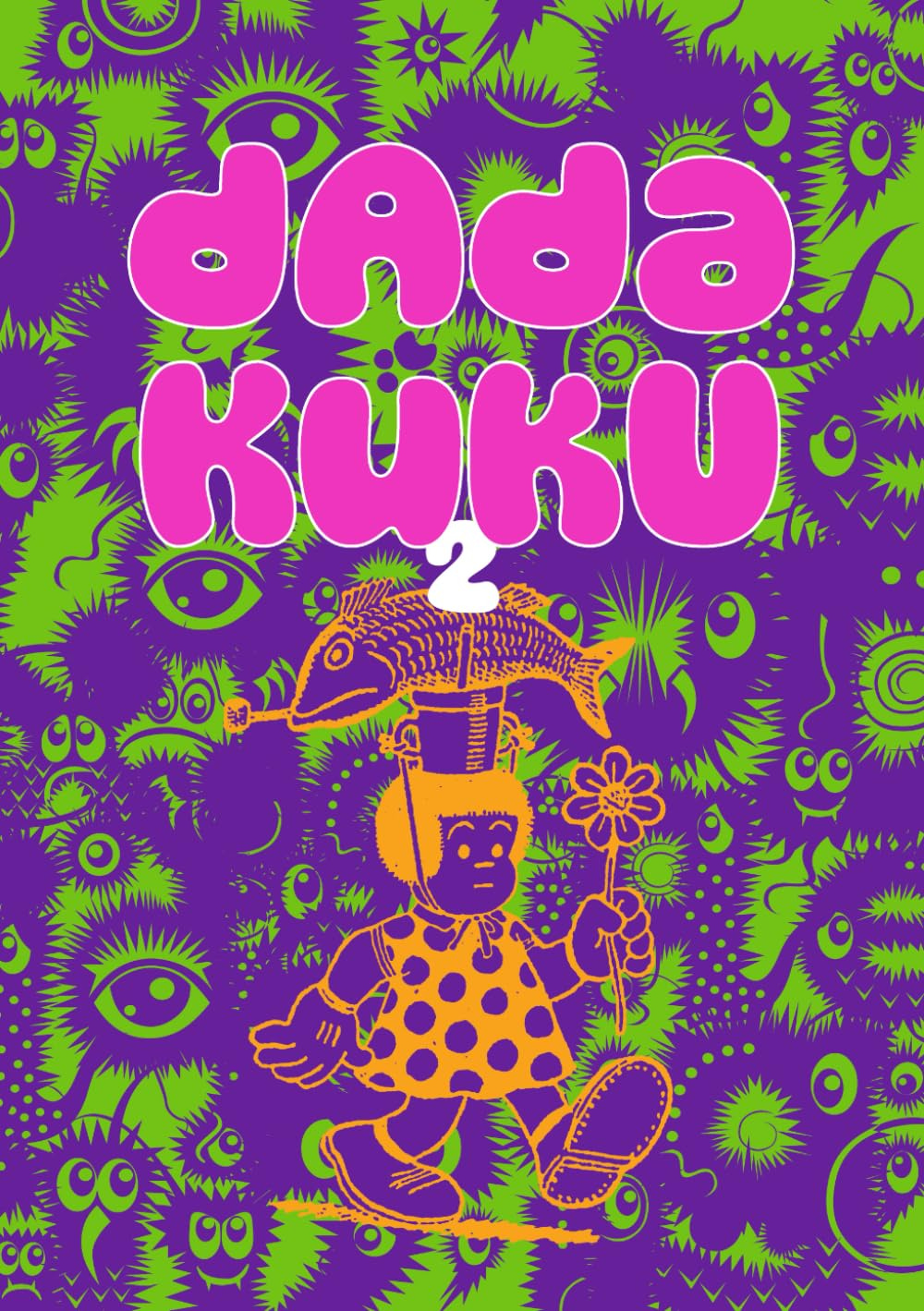
petro ck, ed.
Dadakuku 2
I publish semi-regularly in petro ck’s online poetry outlet dadakuku, and I wrote the preface for this collection of the 2024 output. So I may be tooting my own horn to some degree—but mostly I’m tooting the furry, obscenely shaped horn of the editor, who has created this amazing forum for tiny blasts of absurdity, mangled haiku, found blorps and weird brain blips. Reading through this is like scarfing down a bunch of deformed jelly beans that taste like things that should not be and then horking them up through your nose because you’re giggling so hard. Dadakuku 3 will be out in January, but if you missed this one, there’s still time to go back and think small and weird with number 2.
—
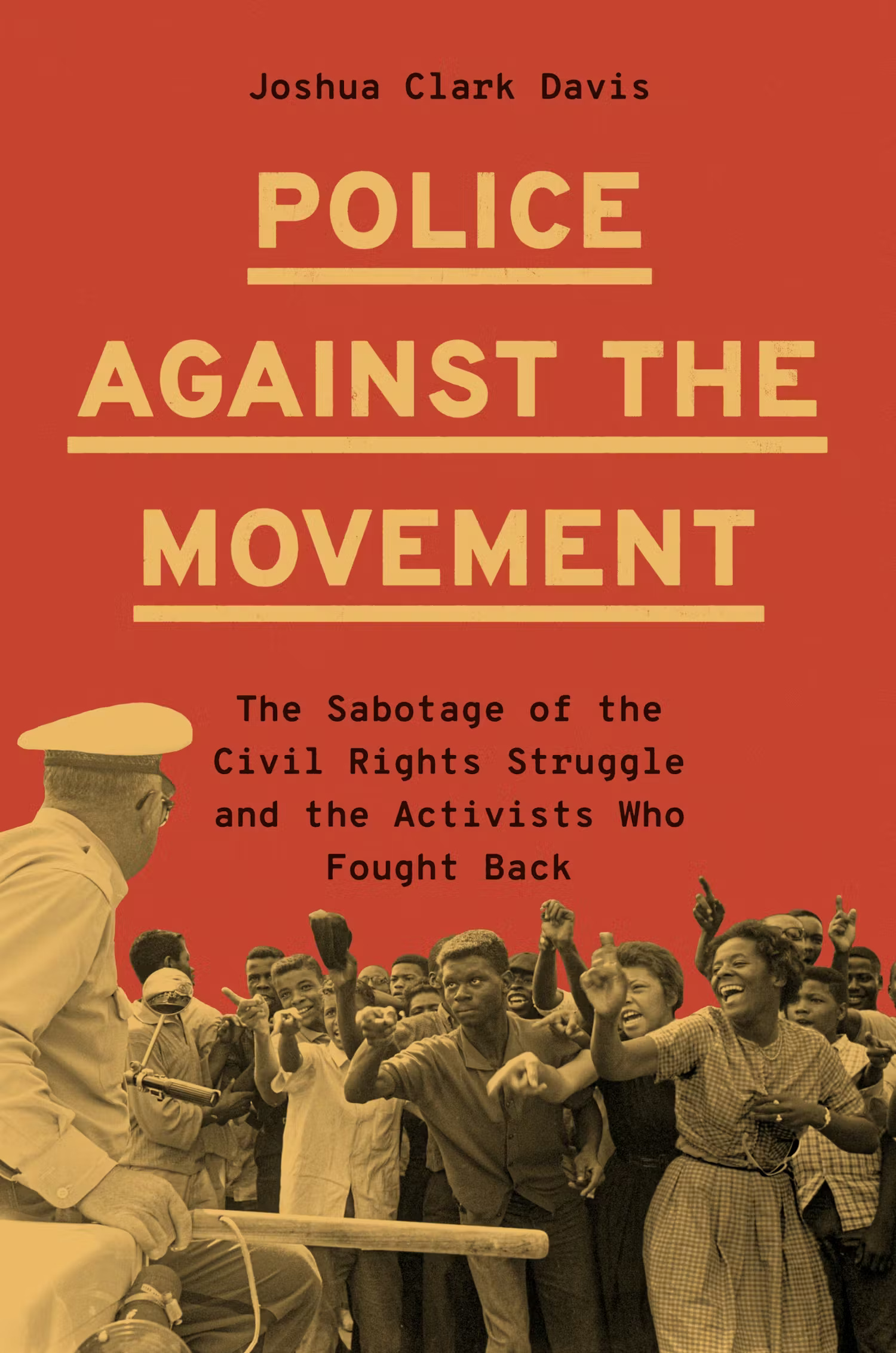
Joshua Clark Davis
Police Against the Movement: The Sabotage of the Civil Rights Struggle and the Activists Who Fought Back
Most histories of the Civil Rights Movement now are aware of and talk about the antipathy of the FBI and the ways in which federal espionage and sabotage targeted movement leaders and undermined the cause of racial equality. People also know that southern cops directly attacked and brutalized protestors. But this, Joshua Clark Davis argues, is only part of the story. Police departments, north and south, he argues, had much greater manpower and collective resources than the FBI, and they invested heavily in surveillance and espionage. The movement could have survived the FBI, and turned southern police violence to its advantage, but the intransigence and more surreptitious violence of the cops was devastating—and its erasure is a sign of its success and of the continuing repressive force of police power. A bleak but vitally important book for those who want to understand how fascism in America triumphed, and how we can fight it.
—
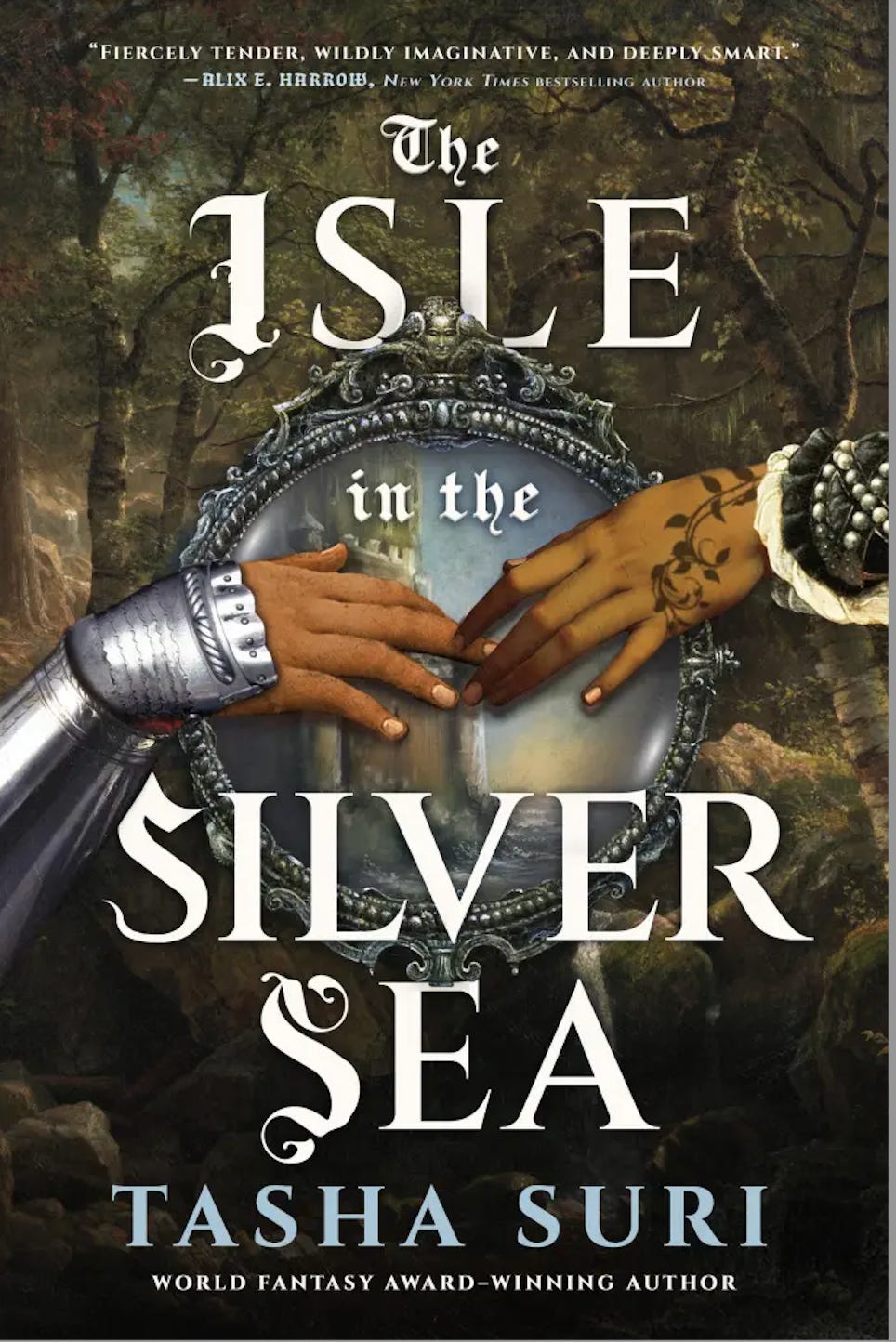
Tasha Suri
The Isle in the Silver Sea
Tasha Suri is one of the best current writers of epic fantasy, and The Isle of the Silve Sea may be her masterpiece. Set in an alternate Britain created and maintained by the magic of stories, the book is a meta fiction about the way narratives of whiteness, empire, and violence seize hold of generation after generation—unless those generations write and tell their way to something better. The novel is also, very consciously, the new dream it calls for, with sapphic, immigrant, non-white protagonists who wrest the tropes of epic fantasy—knight, wizard, doomed love, kingdom saviors and more—from their moorings, and shape them into something new. A beautiful, thoughtful, sweeping remaking of a genre, and a kingdom, that badly need remaking.
—
Jason Heroux & Dag T. Straumsvag
A Further Introduction to Bingo
Jason Heroux and Dag T. Straumsvag’s above/ground chapbook is a collection of apparently randomly numbered, semi-surreal, semi-elegaic prose poems/vignettes about a bingo parlor, a mathematician, and some numbers seeking meaning, or maybe just sequence. As in Lewis Caroll, it’s not just reality but logic itself that breaks down as our sort of heroes, sort of abstractions wander from elevator to parking lot to funeral parlor asking questions like, “Did numbers have parents?” and “Why can’t your letter be delivered?” Russel Edson and James Tate are maybe touchstones, but Heroux and Straumsvag attain a loopy, giggling sense of missed prizes that is all their own. Heroux’s 2nd above/ground chapbook of the year, My Life As a Notebook, is almost as wonderful.
__
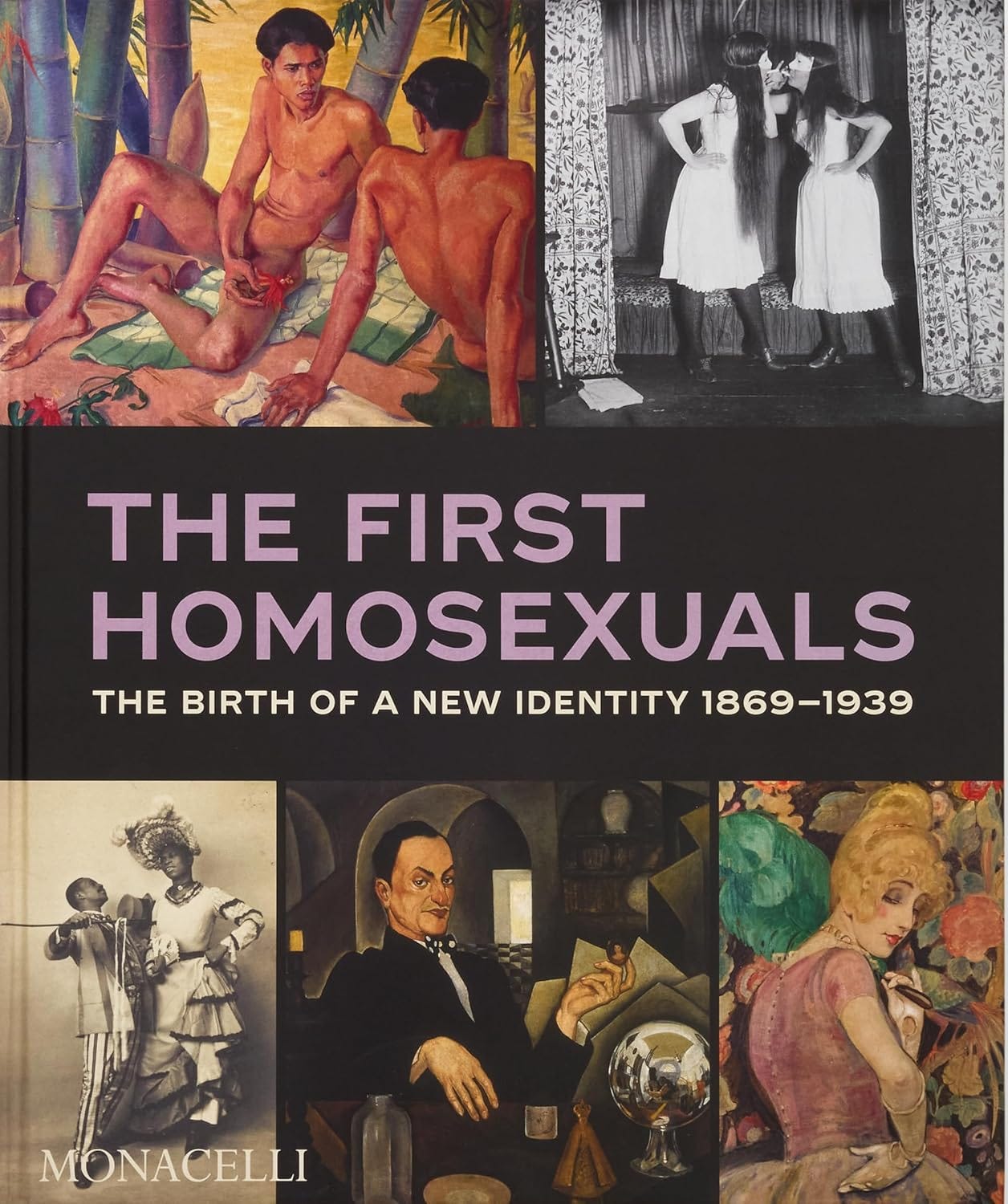
Jonathan D. Katz, ed.
The First Homosexuals: The Birth of a New Identity, 1869-1939
I got to review the amazing exhibit The First Homosexuals earlier this year. I described it as a “dazzlingly overwhelming chronicle of queerness in art,” and that’s every bit as true of the book as of the massive gallery show. The text reproduces all the art in the exhibit and more by way of illustrating 22 essays about the key years from the mid 19th to the mid 20th century, when homosexuality began to be defined as a specific identity rather than as a series of acts. The sheer volume of information is overwhelming, and the essays provide dazzling interpretations of the nuances and shifts in queer representation from Turkey to Japan, Canada to Italy. The multiple national, individual, and regional stories told are often about repression, silences, and lost opportunities—but the amazing trove of art shown and discussed is also a testament to a passion, a love, and a creativity which flourished and continues to flourish, even when homophobic governments, like ours, prevent exhibits like this from touring. The book has a hefty price tag, but it is absolutely worth it.
--
I thought also about putting Elizabeth R. Mclellan’s Is My Chainsaw a Heart: 13 Centos and Iain Moreland’s Intersex: A Manifesto Against Medicalization on here…but I’ve got reviews of both publishing in January, so didn’t want to step on those. I may also publish a list or lists of the best things I read that aren’t from this year…I guess depending on my mood. If you want to encourage me, becoming a paid subscriber and/or tipping me always helps! In any case, I hope you found something here that you hadn’t heard of and might want to check out.
I’ll read anything you care to write about, but I really do love books, and I’d love to read more about what you read this year, regardless of when it was published. Happy New Year Noah!
Great list. My favorite read of 2025(published in 2023) was The Frozen River by Ariel Lawhon. I go back to the world it's set in, Maine in 1789, all the time in my head.