

I did a list of the best books published in 2025 I read last week. I read a ton of books not published this year, though and, what the hell, I thought I’d do a list of some of them which you might like to check out. The books below are in alphabetical order.
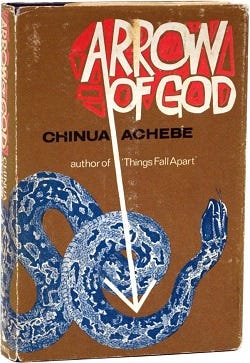
Chinua Achebe
Arrow of God
1964
A sequel of sorts to Achebe’s Things Fall Apart, Arrow of God is set in an Igbo village in Nigeria in the 1920s. Its narrative concentrates on the Igbo people rather than the colonizers—a powerful repudiation of Conrad, Kipling, and Hollywood screenwriters today, who compulsively present colonized people as without agency, acted upon but not acting. More, the book refuses to privilege the epistemology of Europeans—the Igbo religion is taken seriously as motivation and as cosmology, and whether the chief priest, Ezeulu, is in fact an arrow of god, or whether his bitter, disastrous choices are down to his own misguided mix of faith and spite is an open question. A heart-breaking, dryly passionate book, in no way inferior to its better-known predecessor. Which is about as enthusiastic a recommendation as I can offer.
—
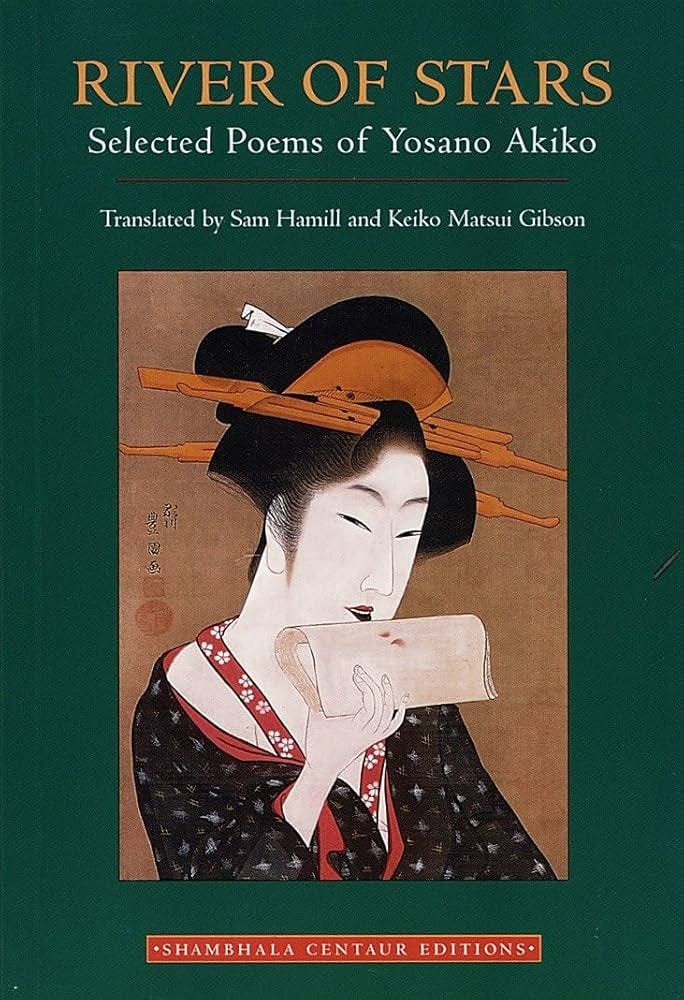
Yosano Akiko, trans. Sam Hamill & Kieko Matsui Gibson
River of Stars
1997
Yosano Akiko was a pioneering Japanese modernist poet, best known for her work in the traditional tanka form, which she used for what at the time was shocking sexual and confessional verse. In the translation by Hamill and Gibson, the poems drip with longing and desire, as well as with a good deal of knowing wit. River of Stars is quick to read, and fun to reread too.
Gently, I open
the door to eternal
mystery, the flowers
of my breasts cupped,
offered with both my hands.
—
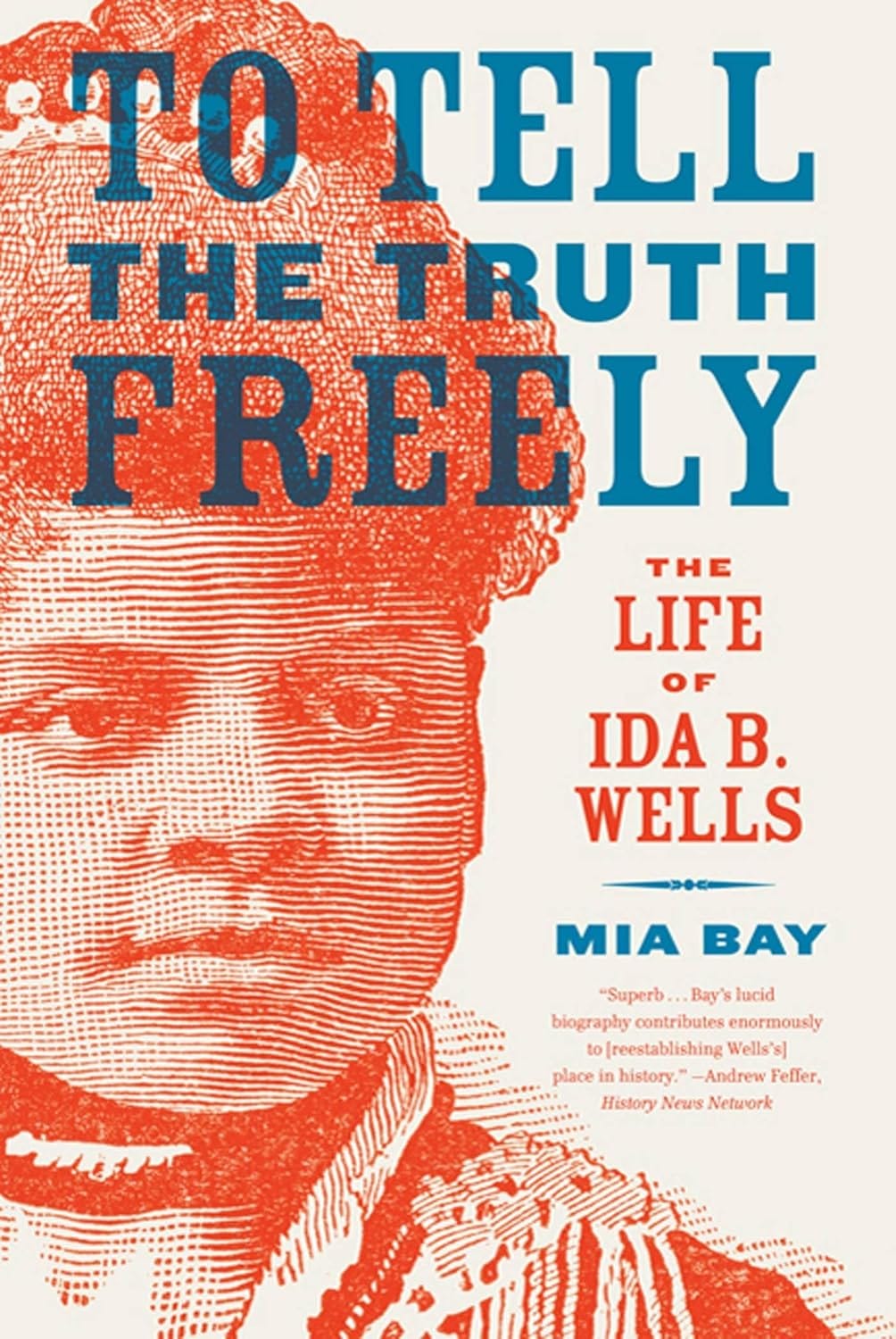
Mia Bay
To Tell the Truth Freely: The Life of Ida B. Wells
2010
I talked at greater length about this book here. It’s an essential biography of one of the nation’s most important journalists and civil rights activists, too long forgotten. Bay provides a brilliant portrait of Wells’ courageous, daring, and sometimes prickly personality, the importance of her work, and the reasons why that work was often ignored and passed over.
—
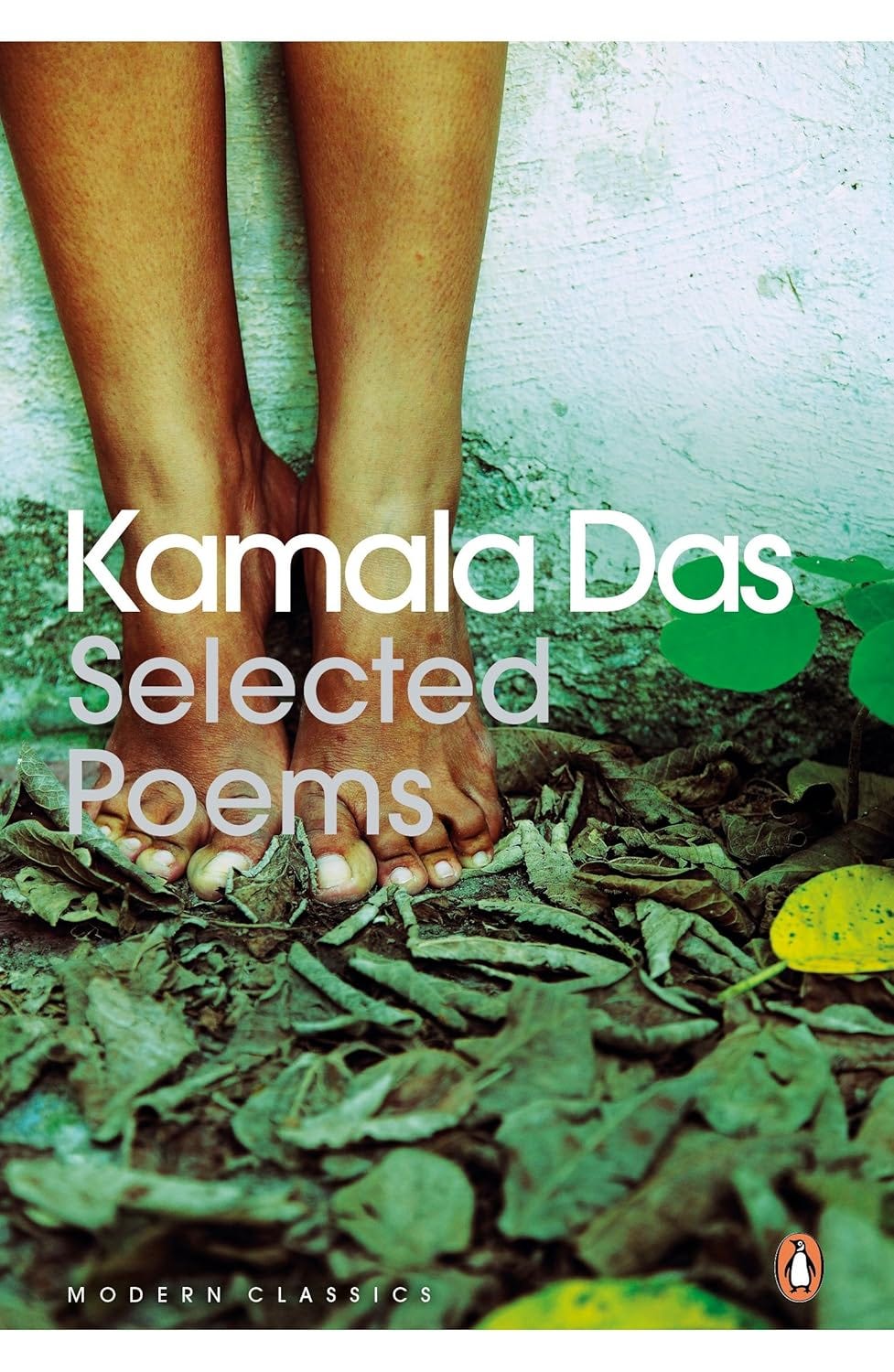
Kamala Das
Selected Poems
2014
Kamala Das is a wonderful 20th century South Asian poet who wrote verse in English. Her main influence was Whitman, but she often sounds more like Sylvia Plath—she writes about desire, and, even more scandalously, about the ugliness of her own arranged marriage. She’s little known in the US, which is a shame, because she’s a wonder. I wrote a bit about her here; an excerpt from her poem “Larger than Life Was He” is below.
I cannot recollect a film
a play or a concert he took us to
or a joke which together we shared.
He was like a bank locker
steely cold and shut
or a filing cabinet that
only its owner could unlock
Not for a moment did I own him.
Only a few bed-bound chores
executed well, tethered him to me.
—
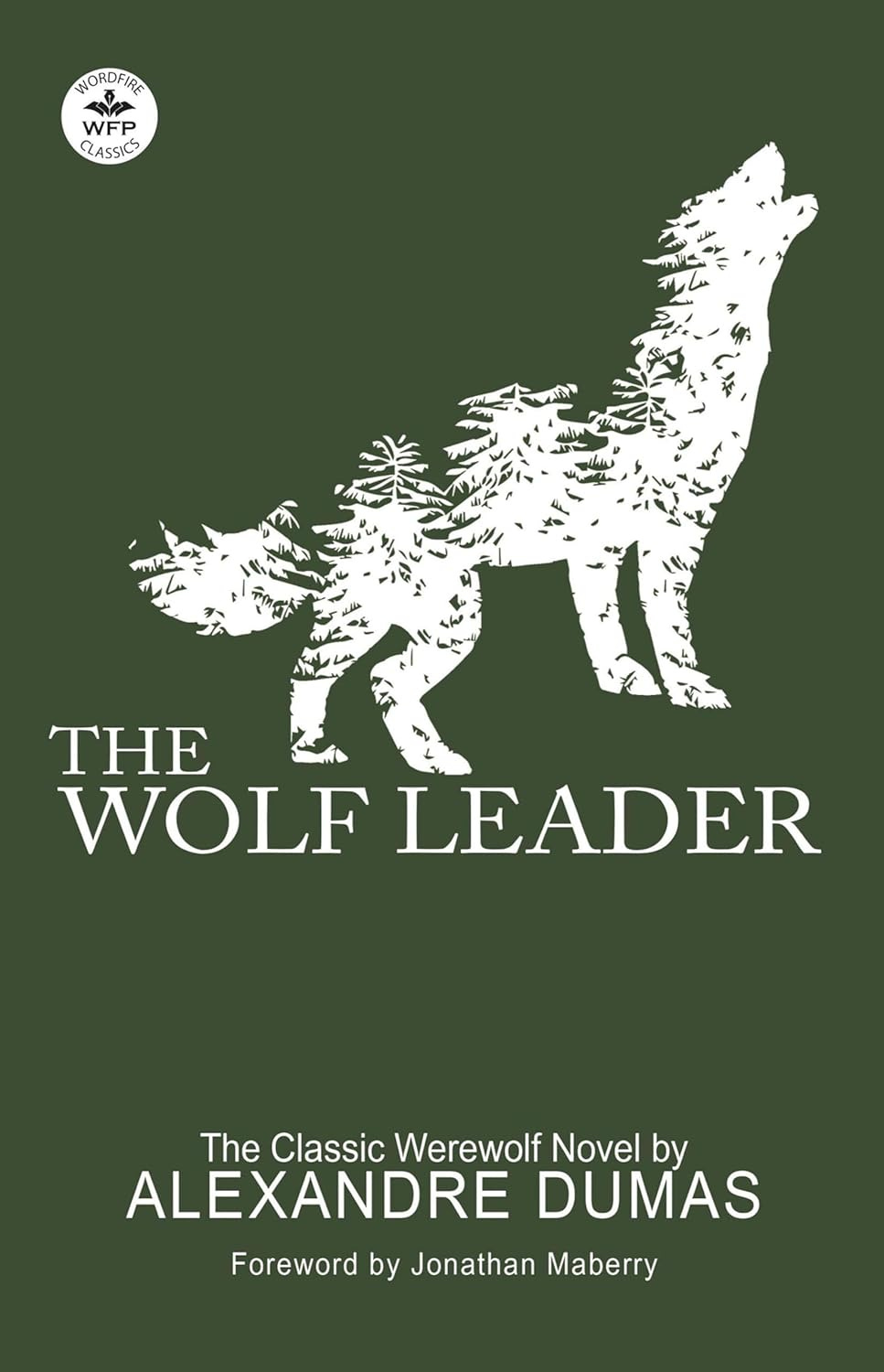
Alexandre Dumas, trans Alfred Allinson
The Wolf Leader
1857, trans 1931
Don’t make deals with the devil! You already know the moral of this proto-werewolf Faust variation, but the details are a fiendish delight. Jealous shoemaker Thibault’s descends into the abyss, and while the dark fantasy and horror trappings are thoroughly enjoyable, the best parts here are often the slapstick bumbling, as greed is rewarded with romantic failure, hair loss, and being knocked into the mud by large farmyard animals. Virtue is ultimately rewarded; luckily good is sufficiently vindictive that the victory of the good guys isn’t too much of a disappointment.
—
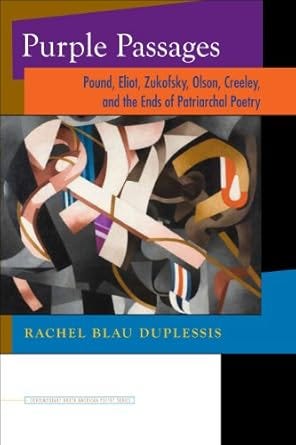
Rachel Blaue DuPlessis
Purple Passages : Pound, Eliot, Zukofsky, Olson, Creeley, and the Ends of Patriarchal Poetry
2012
DuPlessis looks at how the modernist poets figured gender in their vision of experimental innovation—sometimes by doubling down on masculinity, sometimes by undermining it, but very rarely by actually championing female colleagues or women’s rights. Every time I read about Pound he comes off as more of a despicable asshole, and DuPlessis’ account does not break that streak. This is obviously of pretty specialized interest, but if modernist poetry and/or feminist literary criticism is a thing you care about, it’s pretty great. (I mention DuPlessis in this piece on Creeley.)
—
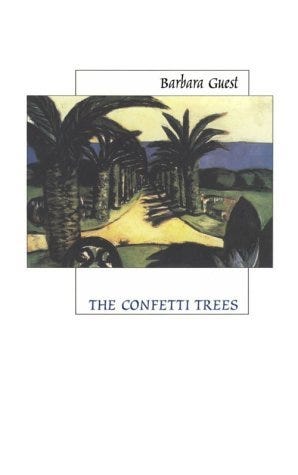
Barbara Guest
The Confetti Trees
1999
I read through Barbara Guest’s collected poems this year. It was something of a mixed bag; I often find her work dull and confusing in an irritating rather than enjoyable way. Her collection The Confetti Trees is an exception though. It’s a series of prose poems about film and the film industry which nonchalantly shuffles appearance, reality, fiction and celebrity into a cheerfully absurdist series of flickering tableau. The poetry about the difficulty of perfecting a movie, and the way that the imperfections are the art, ultimately becomes a metaphor for the poems themselves, with their false starts and mistaken chronologies and props left in the wrong place. Here’s an excerpt from the poem “Color.”
He believed if the woman on the right moved over to the left he could place her into the frame where a meadow lay beyond her. But it did not work out that way. The moon came up too early. The glow the moon cast lit up the shadow behind the wheelbarrow. No one could advance in the shattering moonlight. The film begins to take the shape of a milk bottle with the heavy cream on top.
—
Premee Mohammad
The Apple Tree Throne
2020
I’ve read a fair number of Mohammad’s novels at this point, but this short book is I think my favorite so far. It’s set in an alternate steampunkish England, following a wartime disaster. It looks like a ghost story, and/or a story about the difficulty of adjusting to peacetime life. But as it goes on it becomes clear the narrative is about the love of the man who survived for the man who didn’t; haunting is grief at possibilities lost and at possibilities which cannot be acknowledged. A lovely, brief tour de force.
—
Jonathan Sterne
Diminished Faculties
2022
I wrote about this book at some length here. It’s a brilliant study of the phenomenology of impairment—of what it means to experience the experience of not being able to fully account for one’s own experience. If that sounds confusing, the book itself is anything but; Sterne provides a startlingly elegant account of a range of disability experiences, including losing his voice to thyroid cancer—that loss of voice being both actual and metaphorical. Sterne died in March; his work though, continues to speak brilliantly of not speaking.
—
Kenji Yoshino
Covering: The Hidden Assault on Civil Rights
2006
Yoshino is a civil rights attorney who focuses on LGBT issues. In this book, he argues that covering—the demand to pose as “normal”—is an insidious threat to civil rights, which compounds exclusions and undermines the work of equality. Covering is also a memoir, though, and Yoshino’s account of how he has navigated covering in his own life is insightful and affecting. There’s a striking moment where he realizes, for example, that Asian students do not seek him out for advice the way that gay students do—forcing him to think through his own self-presentation and focus, and his own assumptions about which differences should and shouldn’t matter and why. James Baldwin’s essays, with their mix of confession and analysis, are certainly a precedent; Yoshino is a worthy heir.
—
That’s it for books! I’ll have a list of best albums of the year up probably in the next week or two…and maybe a list of some of my favorite things I wrote this year, though I really don’t know if anyone reads those? Anyway, we’ll see. And I’ll be back writing on politics here regularly starting next week too. Stick around! Maybe become a paid contributor so I can keep scribbling!
You began this column the cover of Night’s Master by Tabitha Lee and then never mention this book. Seems like a “bait and switch.” I’m sure you’ve read it. Is it a good fantasy series?
Great recommends, thanks! Intrigued by this use of the word "covering" and how it differs from other terms in the glossary of social behavior management such as masking, passing, and code switching. Guess I'll have to read the book!