

I didn’t have as many film outlets this year as I sometimes do, and so saw somewhat fewer new releases than I’d ideally like to have for a list like this. But! On the other hand! What the hell.
So here are the 10 best movies of the year according to me. I’ve included links to each review and a quote from each.
10.
Black Bag
(review)
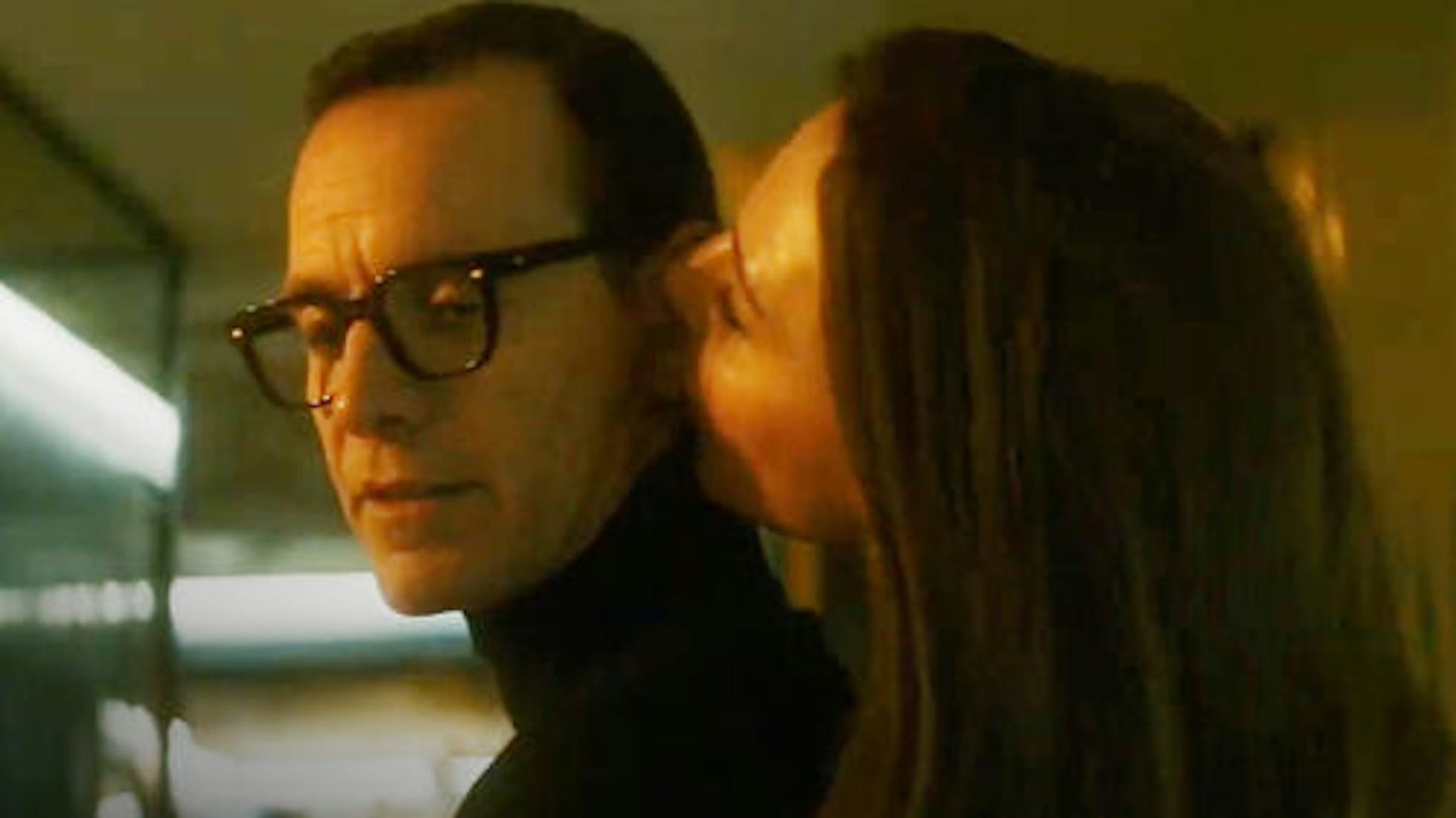
The exact details of what’s discovered are less important than the fact that there are a steady stream of discoveries to make—both in regards to the twisty narrative, and in regard to the personal quirks and backgrounds of our protagonists and their colleagues. It’s no accident that one of the suspects and main characters, Zoe Vaughan (Naomie Harris) is a therapist who conducts sessions with several co-workers. Nor is it coincidental that there’s a thoroughly unnecessary lie detector scene. The spies and the viewers both want to ferret out the truth. Much of the fun of watching the movie is watching the movie reveal itself.
__
9.
Materialists
(review)
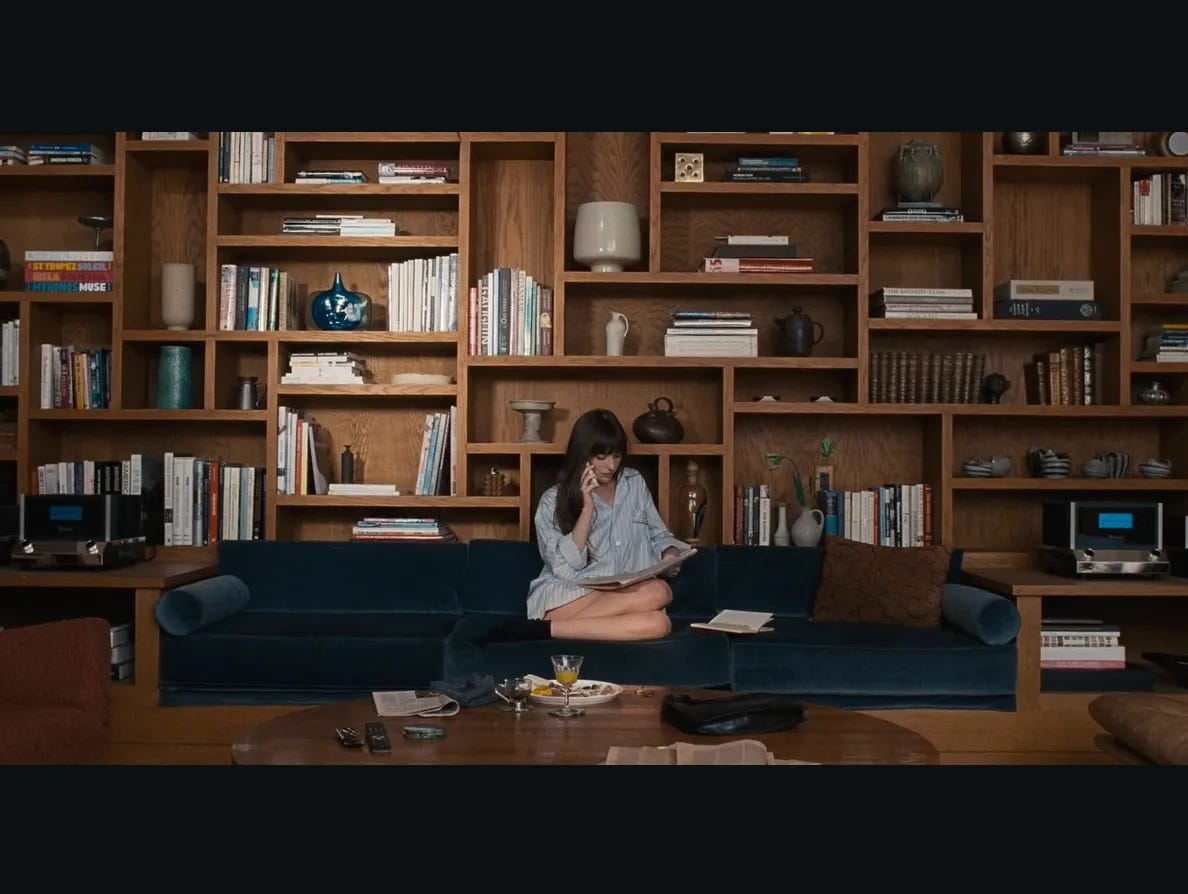
The film is a half-step removed from the genre it appears to inhabit, which makes it feel unfulfilling and even alienated from itself. This is, though, I think both intentional and thematic. Lucy, Henry, and John all struggle, to one degree or another, with the fact that they want to be in one of those effervescent romcoms and despite themselves keep getting dragged back into a world in which money and shallow material considerations matter a lot more than they’re supposed to.
__

8.
Best wishes to all
(review)
The family’s callousness, their laughing dismissal of the idea that the scapegoat could be human, the way that normality is presented as a kind of horror—this could be an analogy for the way middle-class people build their standard of living on the slave labor of distant others. But we’re also seeing a community which tells itself it’s valuable because it has someone else to torture and spit on. Certain people’s lives have no value, and that assures everyone else that they’re important, worthwhile, deserving of happiness. It’s significant that the charmed circle is defined by religion—and those who reject their beliefs are shunned, mocked, bullied.
—
7.
Companion
(review)
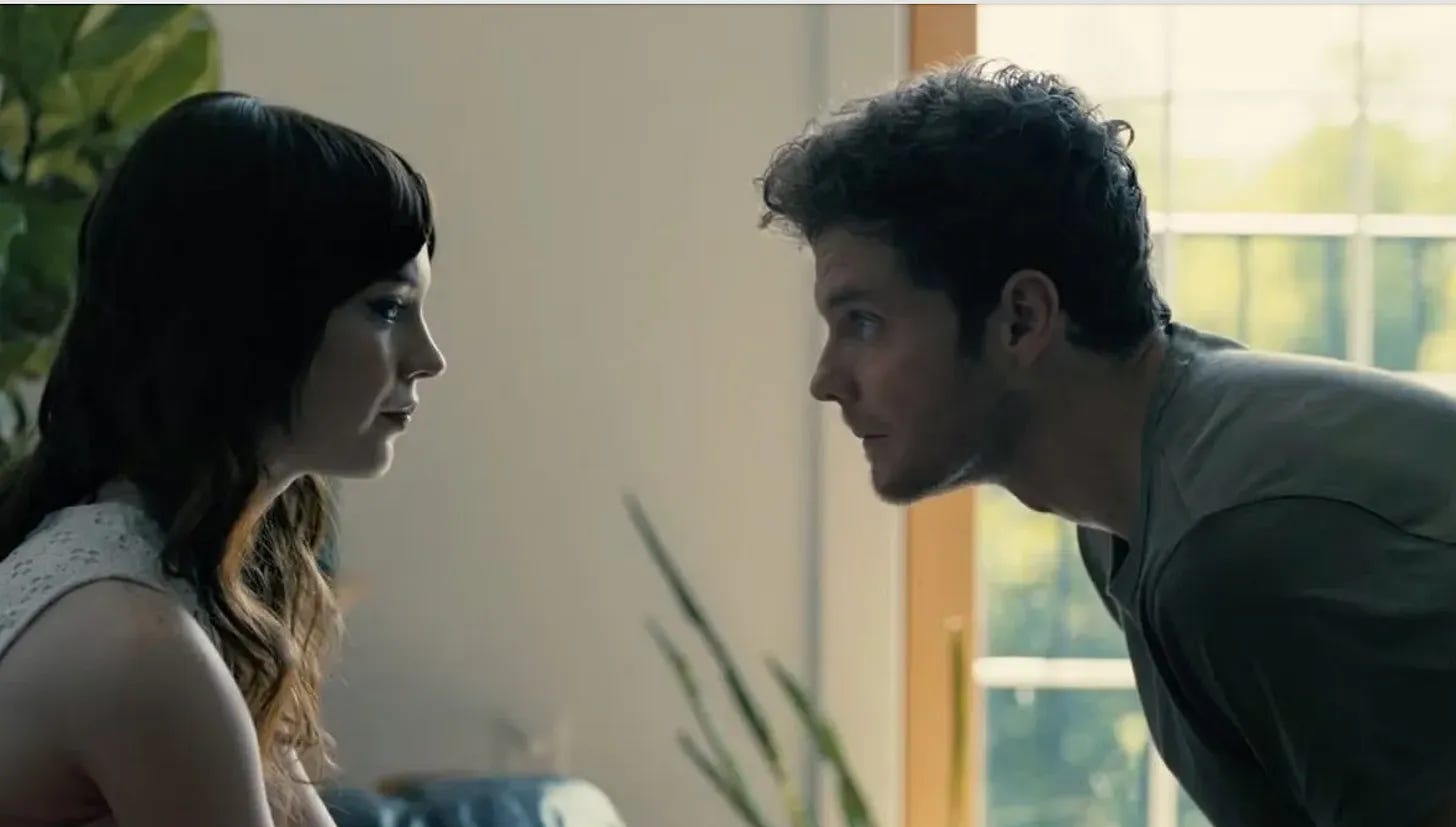
The film’s refusal to be a sexbot movie functions as a critique of sexbot movies, and of the way that we are so fascinated with stories of servile robots in love. Companion never doubts that Iris is a real person; it never doubts that her story is her story; it insists that when Josh treats her as less than human, that’s a flaw in him, not in her. The pretense that she’s a thing is an ideological justification for harming her. The unreal thing is not Iris, but the elaborate plot designed to convince Josh, and you, that she isn’t.
—
6.
Honey Don’t
(review)
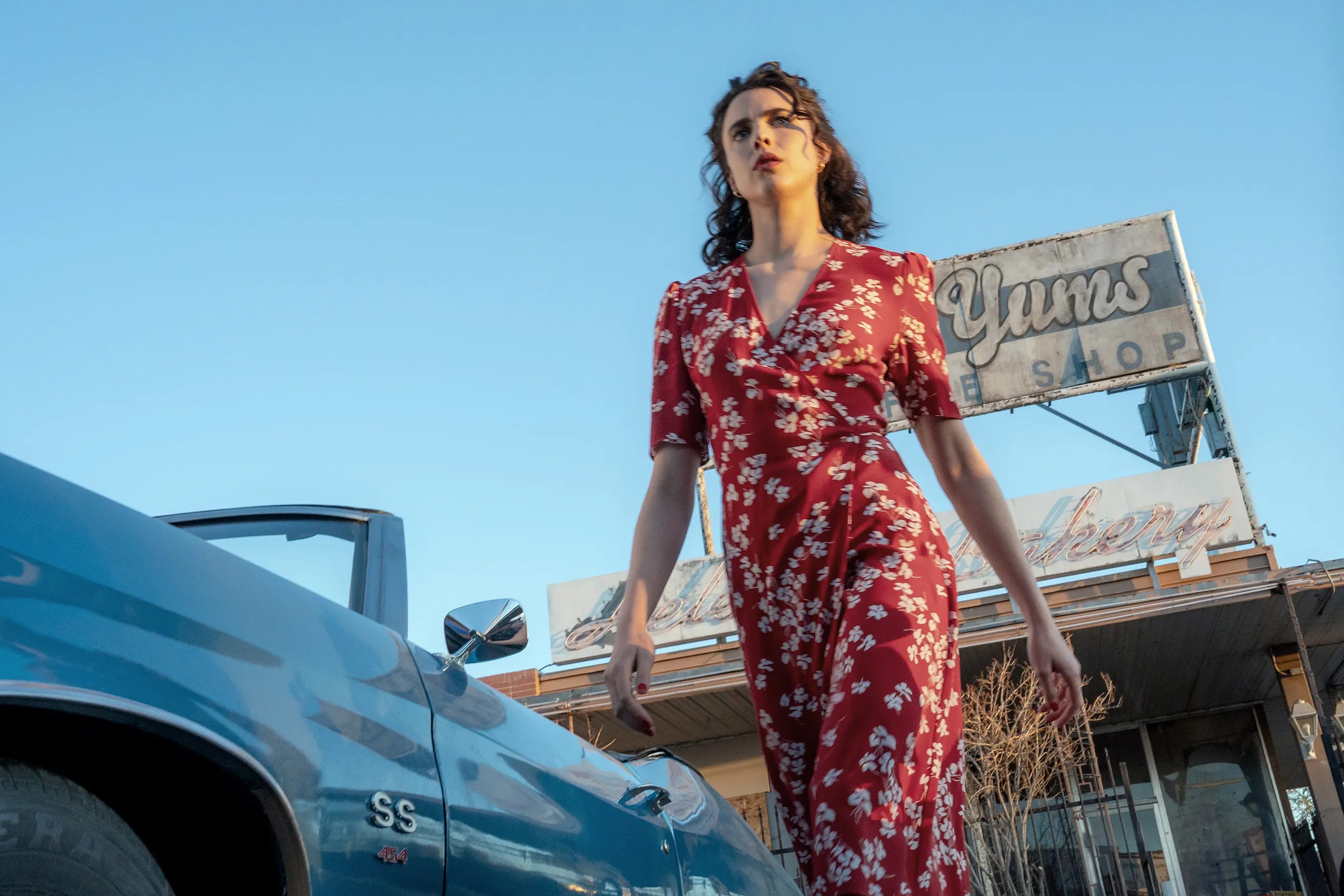
For genre filmgoers, especially those who watch noir or James Bond movies, it’s a familiar image: a swaggering, cool protagonist with a badass car, a piercing, seductive gaze, and a sex appeal that makes them irresistible to hot women. Usually these qualities are assigned to male characters. But in Coen and Cooke’s world, the gender markers are subverted, and the masculine cool gets assigned to more or less butch lesbians.
—
5.
Ugly Stepsister
(review)
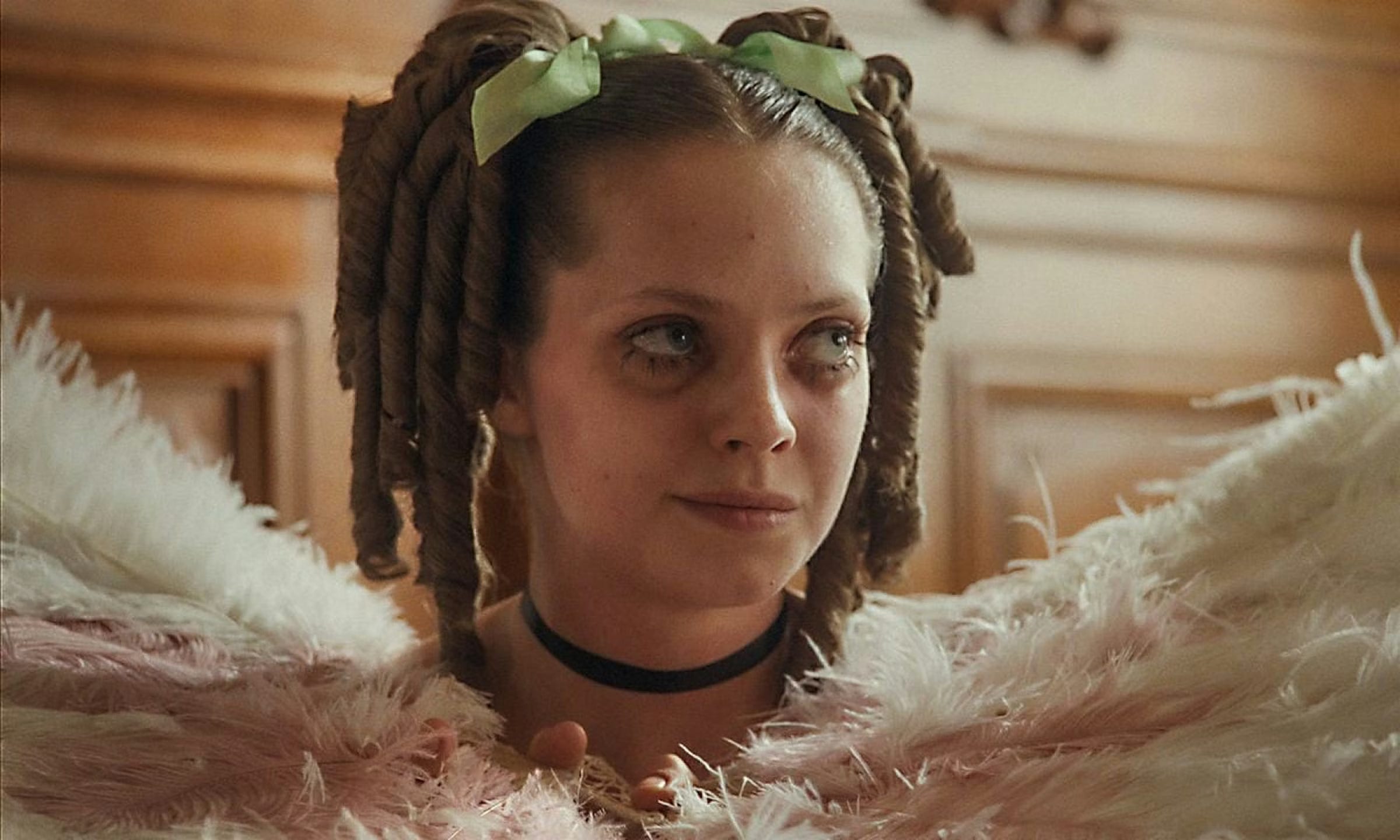
This isn’t a happily-ever-after kind of film. But at the same time, it’s in many ways, despite the gore and anguish, a more hopeful version of the Cinderella legend than many reworkings. Blichfeldt refuses to treat some girls as heroines and others as villains; she refuses to see beauty as a contest and the losers as castoffs. Instead, she expresses solidarity for all those whose options are narrowed and whose worth is denied because of their looks, wealth, or gender. Most Cinderella stories are odes to marriage. The Ugly Stepsister is one of the few that’s an expression of love.
__
4.
Sinners
(review)
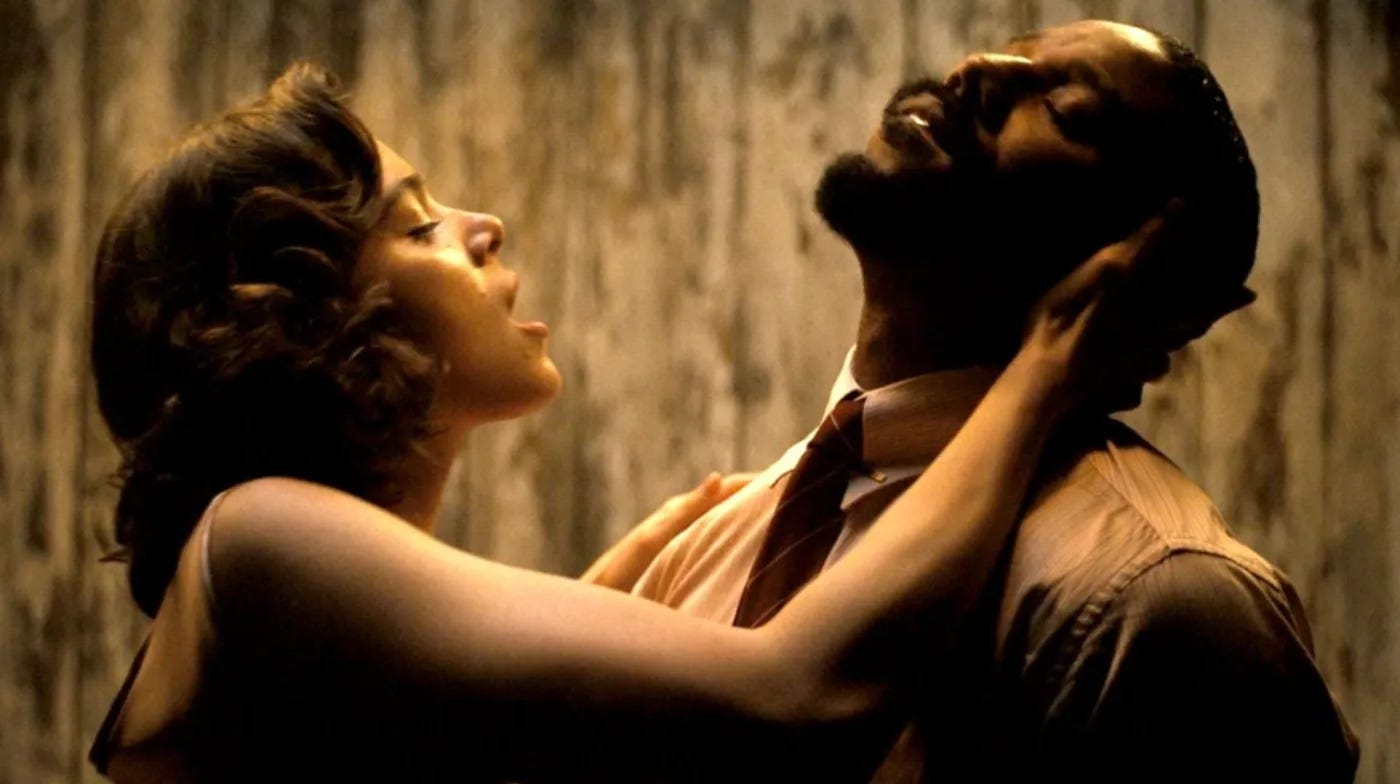
In a white supremacist country, in a white supremacist world, there is only white man’s money, and all the music is played at white man’s sufference. There is no place under the sun for justice, or for Black people. And yet, Coogler suggests, art—whether music or movies—can give us, however briefly, however compromised, a vision of a better world.
—
3.
Hedda
(review)
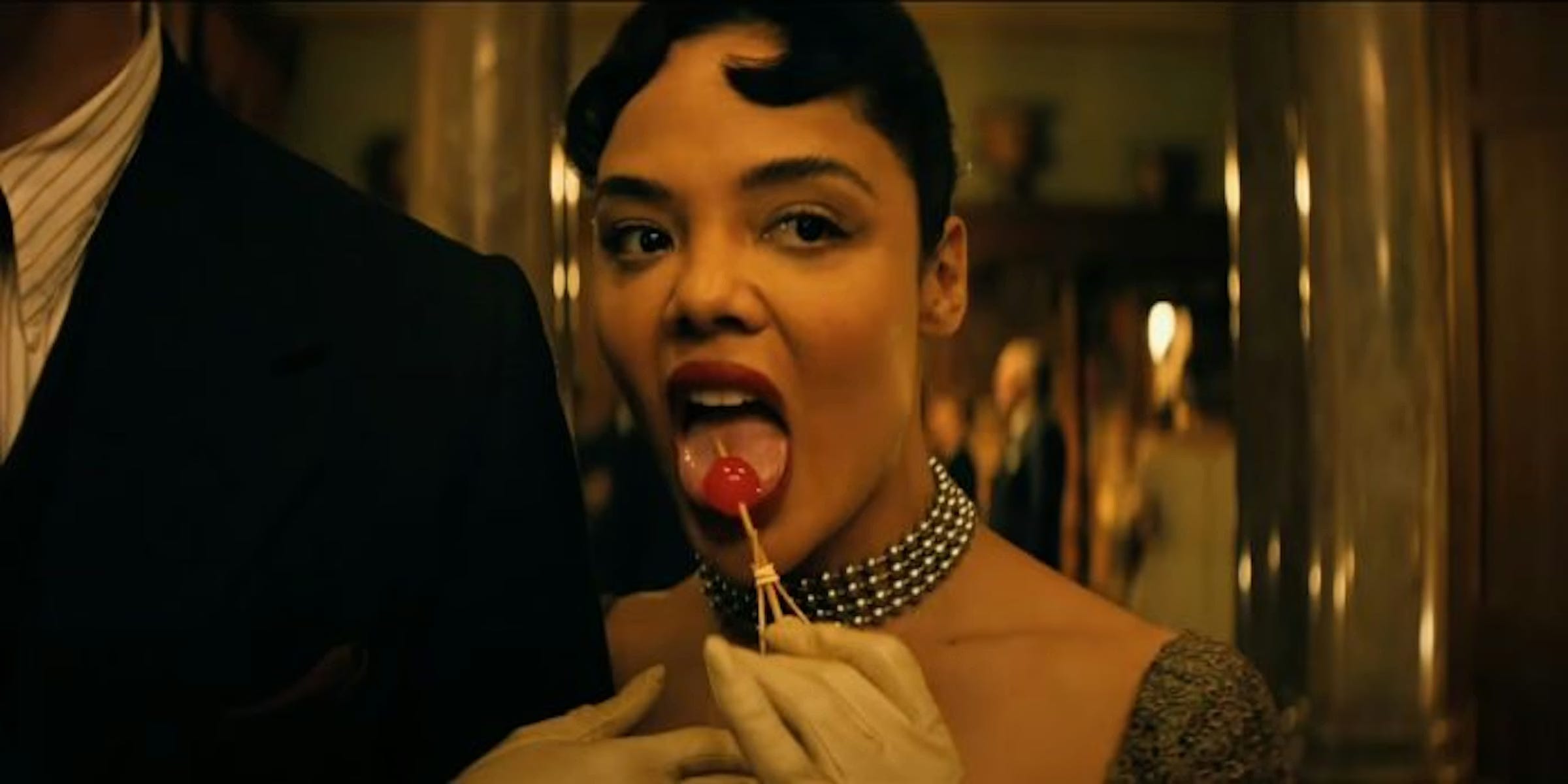
Hedda’s obsessed with guns because people keep hurting her, and she wants revenge. But you can’t kill structures of oppression anymore than you can kill a house. You can knock down a chandelier and listen with pleasure to the crash. Or you can make a film filled with the elegant, angry, inescapable sound of lives being crammed into a space that, despite the high ceilings, is too small for them.
__
2.
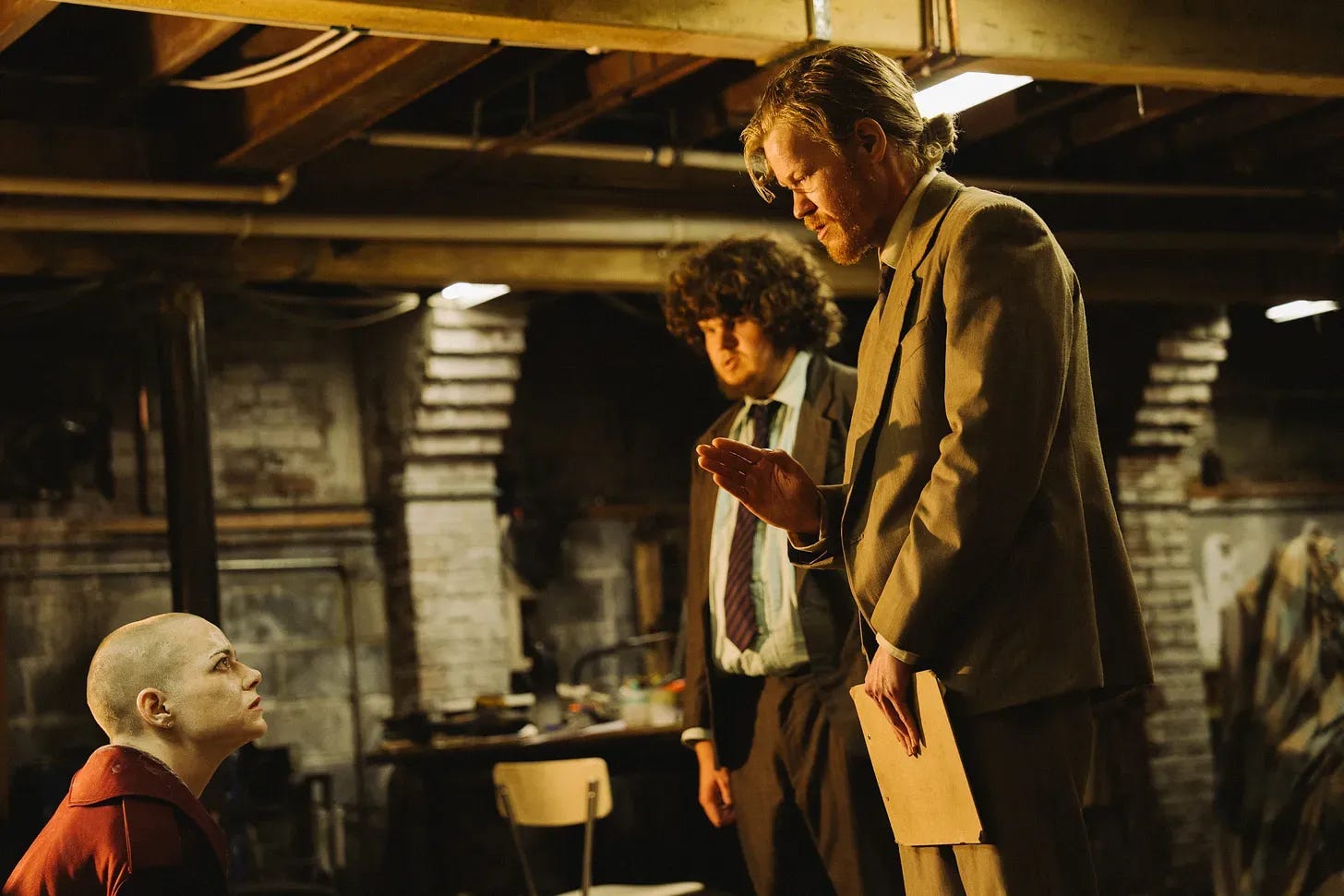
Bugonia
(review)
Going back at least to Swift and his dream of replacing humans with horses, misanthropy in the arts is generally powered by moral disgust. That’s certainly the case for Bugonia, which may be Yorgos Lanthimos’ most straightforward missive from the land of the Houyhnhnms—even if the equines in this case buzz onscreen in the form of Apidae.

1.
The Plague
(review)
The Lord of the Flies set-up is familiar, though Polinger is more unsparing than Golding. The kids here aren’t in a life-and-death struggle which causes them to crack; they just torment each other because they like it and think it’s funny. Polinger’s careful not to provide any catharsis or relief. There’s no character who provides a consistent moral voice for “civilization,” nor do adults come in at the end to reestablish order.
I hope there’s at least a couple things on the list you didn’t see that maybe you might check out now. If you like me writing about movies, a good way to encourage me is to become a paid subscriber! It’s $50/yr, $5/month.
Thank you so much!!! I feel as though you did all of the hard work for me. Im going to watch each one. Happy New Year.
I appreciate your lists so much. So many on my watch list.